We’ve bought a raspberry farm

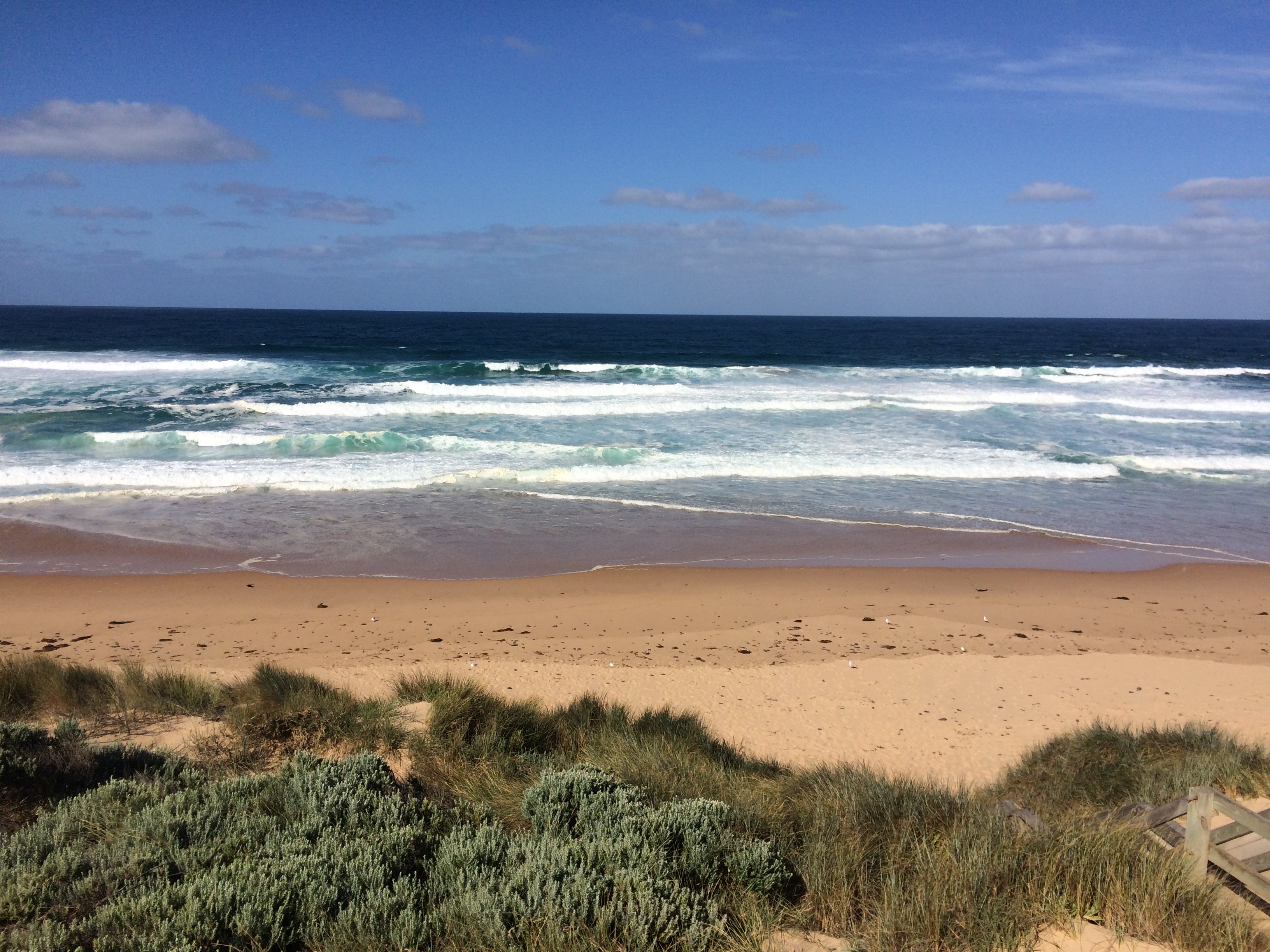
I haven’t been blogging recently but thought I’d share my big news that I’ve bought a raspberry farm with my sister and her husband. The farm is located near Deans Marsh in the Otways and is just lovely. I’ll be moving there in August, so leaving Phillip Island and starting a new adventure.

Phillip Island Health will continue to be run by Mel Rose so patients can choose to support her by staying at the clinic. Sadly, the laser acupuncture will not be available, but patients can go to Safflower clinic in Newhaven if they want to continue their treatment (the practitioners at Safflower use needles rather than laser.)

I will miss the island and the practice and all my patients but I’m looking forward to this new challenge. It has been a dream of mine to own a berry farm.

Thank you to all the patients for supporting Phillip Island Health; I hope you will continue to support Mel and the practice.

On another note, I’m still working on my book – Heal Yourself: Unlock your natural healing potential. I hope it will be published by the end of the year but as usual it is taking longer than I planned. Hopefully once the move is over I can get it finished.

Stress and the Autonomic nervous system part 2.

Last week I wrote about how to dial down the sympathetic part of our autonomic nervous system (ANS) to help with stress. This week I want to write about activating the parasympathetic nervous system (PNS). This is relatively easy but unless we have decreased the sympathetic drive it is often like putting a band aid on a laceration that requires suturing. It might help a little but eventually we need to treat the root cause, which is the sympathetic overdrive. No amount of meditation and mindfulness can help in some situations and especially if we are burnt out or have adrenal fatigue we need to address the stressors at the same time as activating the PNS

To activate the PNS the following will help.

  • Meditation

Meditation is great for calming the sympathetic system and engaging the parasympathetic instead. If you’re like me you might get a little anxious in formal meditation! “I’m not doing it right, my mind won’t stop thinking, I can’t concentrate on my breath because I’m worried about something that has happened to me.” Sometimes our brains are just thinking too much.

I prefer a walking meditation or a guided visualisation exercise. But many people find formal meditation very calming and centring. Any form of meditation helps you get in touch with your inner self and its wisdom.

  • Mindfulness

Mindfulness is about focussing your awareness on what you are doing in the present moment. It involves being aware of what is happening right now and not thinking about the past or future. It is like meditation in that it calms the mind and helps to de-stress.

It is relatively easy to incorporate mindfulness into everyday life. You can do the dishes mindfully; paying attention to what you are doing rather than being off in your head thinking about everything that you think you need to be worrying about. You can eat mindfully, drink a cup of tea mindfully, exercise mindfully, you can do any activity where you focus your awareness on that activity.

Mindfulness helps us live more in the present moment.

  • Spend time in nature

Getting closer to nature and the earth helps calm the ANS. It helps if we connect with nature mindfully. Sometimes I go for a walk along the beach but am so much in my head thinking about everything that I hardly pay attention to where I am. When I realise this I try to bring my awareness to the waves and the wind and the sky and my brain starts to calm down a little. Of course even when my brain is in overdrive while I walk I am connecting with the earth but when I bring my awareness to my surroundings and am present this is even more grounding and calming.

To actively ground yourself will decrease the electrical charge in your body which helps relaxation and healing. To do this you need to be in direct contact with the earth; walking barefoot, sitting on the ground or hugging a tree are all good ways to earth yourself. You can also buy earthing devices, which may help if you live in an apartment or can’t get out to actively earth yourself.

  • Deep breathing

Many of us breathe on a shallow level. This is both a result of being anxious and wired, and a cause. If we do some deep breathing, into our bellies, this activates the parasympathetic system and slows things down. Some people just don’t know how to breathe deeply so if you find it hard to take a deep breath and feel your belly expand then you might need to practice. It is best to practice when you are feeling calm.

Lie down with your hands on your belly and slowly breathe in through the nose. Let the air expand your rib cage and feel you diaphragm descend and your belly expand outwards against your hands. Slowly breathe out feeling your belly descend and your chest compress. Let these deep breaths flow in and out with your belly rising and falling. You might like to sigh the breath out your mouth and feel the stress leaving your body as you do so.

Once you have mastered the deep breathing you can do some anytime. Taking a few deep breaths will calm you if you’re anxious or hurried. Even when you’re not anxious it helps to take deep breaths to centre yourself and bring more calm into your day.

  • Relaxation

Any form of relaxation can turn on our PNS. I don’t mean sitting in front of the TV with a glass of wine although this may help for some people. I find the best way to relax is to lie on the earth and just sink in. Other people like to do relaxation exercises and there are many of these available on phone or computer. Or you might like to just lie and listen to calming music while you relax. Combining relaxation with deep breathing is great.

Whatever way works best for you will help in your healing. And if you’re busy just stopping for a few minutes to consciously relax will bring some calm back.

  • Exercise such as yoga, qi gong or tai chi

Yoga, Qi gong and tai chi are all wonderful for calming the SNS and activating the PNS. They work with the energies of the body and help us balance our ANS. There are so many options available to practice these programs that we really have no excuse for not incorporating them into our wellness routine. Classes can be taken locally or online and the benefit from even a few minutes a day is that our nervous system becomes calmer almost immediately.

  • Rituals

Many rituals can have a calming effect. Lighting a candle or incense in a mindful manner can be a useful ritual that gets the body ready to relax. A warm bath before bed or for children the ritual of a bedtime story calms the ANS down. You can make up your own rituals and they have a way of imbedding in your life so that as soon as you begin the ritual the body knows it is relaxing.

  • Sleep

Sleep down regulates the SNS and up regulates the PNS so I have put it in both lists. Sleep is just really important to healing and particularly if stress is a big component of your illness it is vital to be sleeping well.

  • Play more

Not many of us spend much time playing as we get older. But play is wonderful for decreasing stress especially when we do it mindfully and pay attention to the play rather than what else we think we should be doing.

Playing with children helps remind us that play is a great way to learn and also to relax. There are many ways to play including board or card games (although not those that make you highly competitive which activates the SNS) and creative play such as pottery, woodworking, painting, sewing and other crafts.

  • Music and dance

Both listening to and playing music help activate the PNS. Although some music, such as hard rock or heavy metal may stimulate the SNS in some people. It’s the same with dance, which mostly activates the rest and relax response but if it’s too hard rock or the like it may stimulate the SNS for some of us.

Most of us know which music and/or dancing is good for us to de-stress with. I have found that my stress levels are much lower if I listen to music when I drive rather than talk radio or podcasts. We seem to want to fill our lives with information and don’t always take time to just listen to music. Try to just sit and listen to some music rather than doing something else at the same time.

Dancing is a wonderful release and we can do it by ourselves and just move to music any way we want. Some people take classes or go to dance groups but for many people this adds an extra stress to their life – either making life busier or adding a competitive nature to the dancing.

  • Calming herbs

If we need more help calming our SNS down and ramping up the PNS then sometimes herbs will help. Simple everyday herbs such as chamomile tea and lavender oil have been shown in some trials to help with anxiety and stress. Other herbs also shown to be useful are passionflower, kava, lemon balm and valerian. Growing these herbs in your garden is also great and their plant spirits will help bring calm. Picking their flowers or leaves and placing them in your house is a lovely way to bring more of their spirits inside. Of course you can purchase teas or oils and these will help but a close connection to the actual plant brings a greater intensity of action.

I hope you can use some of these techniques to help bring a greater sense of calm to your life and lessen the stress. Just remember to work on ways to decrease the stress to begin with rather than just managing the effects of stress.

Stress and the Autonomic nervous system

This week’s blog is about stress and the autonomic nervous system and is based upon part of the book I am currently writing – How to Heal.

We are all hardwired with a two-part autonomic nervous system. Autonomic means that part of the nervous system that is not consciously directed and that is responsible for bodily functions such as breathing, heart beating, digestion etc. This autonomic nervous system (ANS) has two parts – the sympathetic nervous system and the parasympathetic nervous system.

The sympathetic nervous system (SNS) is responsible for the so-called fight or flight response. It acts to quickly get our bodies ready to tackle a threat by fighting or fleeing. To do this it increases our heart rate and blood pressure. It constricts our blood vessels to route blood away from unnecessary functions such as digestion and to the skin and directs it to our muscles and brain. It opens up our airways and dilates our pupils. It also makes our hairs stand on end and causes us to sweat. The SNS promotes the release of the hormones adrenaline and noradrenaline. All these actions get us ready to fight the threat or to flee (or is some cases to freeze).

The parasympathetic nervous system (PNS) on the other hand is responsible for the rest and relax/digest response. Here we wind down the stress response and recharge. The PNS decreases our heart rate and blood pressure and dilates the blood vessels. Our breathing slows and our digestion increases. Our pupils constrict and our skin gets warmer (greater blood supply). The PNS causes release of the hormone acetylcholine. All these actions enable us to rest and digest or to feed and breed.

Of course, this is an oversimplification demonstrating two ends of the spectrum. The two parts of the ANS work together to keep our bodily functions balanced. We need both systems in balance. The trouble is in Western society the SNS is often in overdrive and the PNS is in under drive. While we don’t have the physical threats such as lions and tigers we have perceived threats and emotional and mental stress that trigger the fight or flight response. This causes a continual release of adrenaline and noradrenaline, the activating hormones that keep us on edge and lead to chronic over stimulation. This can lead to increased levels of cortisol and a cascade of physical symptoms such as increased heart rate, increased breathing, digestive problems and sweating. All of these are the same as when we are in a physical threatening situation yet when it is a chronic situation with no balance from the PNS we get anxiety and physical issues.

This week I will write about decreasing our sympathetic drive and next week I will write about increasing our parasympathetic drive.

How to decrease sympathetic drive – fight or flight

To decrease the sympathetic drive we have to examine our lives and make changes. Easier said than done. We need to look at everything in our life and try to make the changes that decrease our exposure to stress. This includes exposure to stress in its various forms – physical, emotional and mental. We need to decrease this exposure as much as we can. There are some simple ways we can do this.

  • Slow down, take more time to do things

Slowing down is against our western nature but is one way to decrease our SNS drive. In particular slow down when you’re eating; don’t make it a race to finish your meal. Pay attention to the eating and savour the food. This will help you digest better as activation of the SNS causes blood to be shunted away from the gut and the digestive processes. Taking time to eat helps the digestion.

Taking life more slowly generally will help deactivate the SNS. Avoid having to rush to get places; leave more time than you need so that you don’t become stressed.

  • Don’t multitask, do one thing at a time

Doing one thing at a time naturally slows us down and lets us be more mindful of the task at hand. Trying to do more than one thing at a time will leave you feeling pressured and increase your stress.

Do one thing at a time and pay attention to what you are doing. Be mindful of the task at hand then move onto the next task. If you’re feeling stressed by all you have to do make a list and prioritise and then tackle one task at a time.

  • Do less

Our lives can just be too busy. I remember one year when my kids were younger we were having a very busy year and Christmas was approaching. The silly season loomed over me like a monster with event after event we had to attend. Or I thought we had to attend them all. And then the kids got chicken pox and we weren’t able to attend all the events. No one cared that we had missed them all and our Christmas ended up being much less stressful. After that I consciously made the decision each year to wind back the Christmas activities and spend more time at home. Even now I try to avoid all the Christmas busyness and too many parties and instead spend time with close friends and family.

Start saying no to things you don’t want to do. Try to let go of the busy life and replace it with more relaxing time. Let go of doing and spend more time just being.

  • Avoid stimulants

If you’re too busy and stressed out then avoiding stimulants will help down regulate the SNS. Caffeine, nicotine, amphetamines or other stimulants will rev up the SNS and put you into overdrive. For many of us we take stimulants to combat a lack of sleep and relaxation and to do more than we should be doing. Ease back on busyness and the need for stimulants decreases.

  • Avoid excessive exercise

While moderate exercise can switch on the PNS and tone down the SNS, excessive exercise will fire up the SNS. If you are suffering from burn out or if stress is becoming a problem and you are an over exerciser then winding back the intensity of exercise may help. For those people who are not suffering from too much stress then excessive exercise may not be a problem but it may pay to use some of the ‘rest and relax’ techniques to help balance the body.

  • Sleep more

Sleep is the time when our bodies wind down and relax and repair. Getting enough sleep is really important and if we are highly stressed it is even more crucial. 8-9 hours is optimal and being asleep between 10 pm and 2 am is best for restorative sleep.

Stay tuned for next week’s blog where I will write about increasing our parasympathetic drive.

Coronavirus

I have returned early from my locum in Broome due to the coronavirus and possible implications for travel. I didn’t want to get stuck in Broome or be away from my family and friends. My parents are elderly and at risk and I wanted to see them and convince them to stop their social activities for the time being. It’s good to be back home.

What can we do to stay healthy?

  1. Stay at home. This is the number one for a reason; this reduces transmission of the virus. Only go out for essentials – food and work (work from home if you can). If you do go out stay two metres away from other people.
  2. Hand washing and hand sanitising – this is especially important if you go out but should be part of your normal routine.
  3. Eat as healthily as you can. This may be hard if there is less access to fruit and vegetables but a good diet can help boost the immune system.
  4. Stop smoking. The complications of coronavirus seem to be worse in smokers.
  5. Supplements – I suggest Vitamin C (1000mg), Zinc (20-40mg) and Vitamin D (1000IU, unless you know your vitamin D is low in which case take more). These are all essential for the immune system.  Zinc lozenges have been shown to reduce cold symptoms so if you get sick try to use these if you can get some and take more Vitamin C. Of course if you have iron or B12 deficiency it’s important to supplement these as well. A general multivitamin may help if your diet isn’t too good.
  6. Herbs. Your local naturopath or health professional can suggest herbs that boost the immune system. We don’t know if any herbs can target coronavirus but no doubt there will be some. In the meantime I am taking an immune booster that contains Astragalus and olive leaf.
  7. Exercise is still important and we can do home routines – there are many options on the Internet. For the moment we can also go for walks, runs or cycles if we stay two metres away from people and don’t touch surfaces that may be contaminated.
  8. Be kind to yourself. This is an opportunity to take life more slowly and look after ourselves. We can start new creative projects, learn to play that guitar in the cupboard, plant a vegie garden, play board games as a family, prepare meals more mindfully. Look after yourself in whatever way you think will help.
  9. Be kind to others. Life will shrink back to family and close friends and our local community. We will have to look after each other as best we can and if we approach this crisis with love and kindness instead of fear we will come through this together.
  10. Be present. Take time each day to find gratitude for what we have. Enjoy the sunrise or sunset. Reflect on what this pandemic is asking of us all. Don’t give into the fear.
  11. Connect with the spirit of the earth. Sit on the grass or on the beach. Walk barefoot. Garden if you can. Watch the weather, the sunrise and sunset, the stars at night, the moon cycles. Contemplate what the earth needs from us.
  12. Prepare for change. Like any major world event this pandemic will bring about great changes to our way of life. Let’s all work together to make those changes positive. How can we look after the earth better? How can we look after our communities better? How can we be more loving towards ourselves and others?

We are at a turning point and we can only hope that we rise to the occasion and not descend into panic and chaos. We can each take personal responsibility for this. Let’s live our best lives in this time of uncertainty and do what we can to help others. Let’s pull together as a community and not give into fear. Let’s choose to love.

Stay safe

Carol

The trouble with conventional medicine

I began this blog because I was disillusioned with conventional general practice and medicine in Australia. This disillusionment was part of the reason I recently retired but is it all the fault of general practice or a more global problem of contemporary life?

After all conventional medicine saves many lives and has made great advances in the last few decades. If you have a heart attack or a stroke or serious bacterial infection, medicine can, in many cases, save your life. For many cancers now the treatments can prolong life and sometimes cure. So what do I have to complain about?

I have been a GP for over thirty years and in that time I’ve seen many changes in medical therapies yet chronic diseases continue to have a major impact on many peoples lives and mental illness seems to be at epidemic levels. Obesity, diabetes, depression, anxiety, hypertension and other chronic illness all seem to be increasing at alarming rates.

Why are we getting sicker?

Why is medicine failing to make us healthier?

Of course there are many reasons for this but the primary one is that medicine generally looks for the quick fix to treat our illnesses. Give the patient a pill or a combination of pills and that will fix things. Cut out the offending part or bombard the body with toxic drugs. Of course these treatments often work in the short term but for mental health issues and other chronic diseases they rarely make a long lasting difference. What makes us sick is often our lifestyle yet medicine has failed to address most of our lifestyle issues.

Some of these issues are related to social concerns that doctors feel powerless to address. Problems of loneliness, isolation, lack of community and too little contact with the natural world are difficult to solve. Together with poor diet, busy stressful lives and lack of activity these issues shape our health in dramatic ways. Yet many patients aren’t willing to look at these issues preferring instead the quick fix of a medication. And many doctors go along with this because there is so little time to address the core issues of why so many of us are sick.

The most significant problem is that we have not yet adapted to modern life, which leads most of us to be under chronic stress. Our diets are nutrient poor and we just don’t do enough physical activity or sleep enough. Many of us work in jobs we dislike for enough money to maintain our over consuming lifestyles. We eat too much, we do too much and we have forgotten about the importance of good relationships and community ties. We also have forgotten about our connection to the natural world and about finding joy in our lives.

So why is medicine meant to address these greater issues?

I believe that doctors should be interested in changes that lead to better health and medicating patients rarely leads to permanent change. It just greases the wheels of a huge pharmaceutical industry. Doctors need to name the problem and in many cases the problem is our addiction to our modern lifestyles. It is our contemporary lifestyles that are leading to much of our disease. There are no quick fixes but changing our lives can lead to much better health outcomes and much happier patients.

Of course people don’t need doctors to make their lives better and healthier. Everyone can make changes to their lives that will improve their health and I will write about these in a future blog. But changing medicine to help people address these issues is important. Naturopaths, traditional Chinese medicine practitioners, chiropractors and other complementary practitioners do not fail to address lifestyle issues with patients yet GPs and specialists too often just pay lip service to changing lifestyles while medicating the problem. A colleague of mine has started a clinic to help people try to cure their Type 2 Diabetes. Another clinic I have worked in has long appointments and tries to address the patient’s health holistically. Yet these are the outliers; most GPs spend 10-15 minutes with a patient and this time pressure leads to many of the problems.

The issue of course is how do we change a system that is so entrenched? I think we need to try a multi pronged approach.

First, patients need to educate themselves about lifestyle issues and their importance in treating disease. They need to demand this knowledge from their doctors.

Second, patients need to stop expecting quick fixes for chronic problems; people need to take responsibility for their health and make appropriate changes.

Third, the Medicare billing system needs to change so that there is not a financial disincentive to spend more time with patients. The Royal Australian College of GPs (RACGP) could spend more of their time and energy lobbying for these changes.

Fourth, the influence of pharmaceutical companies over doctors needs to be identified and discussed by the community and the media. Further regulatory changes need to be made to counteract the influence wielded by these goliaths.

Fifth, medical education needs to focus more on the importance of lifestyle issues. Nutrition and preventative strategies needs more emphasis in both under and postgraduate medical education.

Finally we all need to examine our own lifestyle choices and acknowledge their dramatic impact on our health and wellbeing.


#medicine, #general practice, #medication, #lifestyle

Listening to the calling of our heart

Listening to the calling of our heart.

Our hearts are always calling to us. They try to get us to pay attention to longings that we often bury beneath our everyday existence. We bury such longings and ignore the callings because to listen would be to go against all we have learnt about fitting into society. For society does not pay heed to the callings of the heart. Society pays heed to the callings of the ego and the mind; to mortgages and secure jobs, to school work and university degrees; to being a good child, a good spouse, a good parent.

I listened to an interview with John Mayer the other day and he spoke about knowing that he was a musician and writer from a young age and following that calling knowing it was what he was here to do. Sometimes I wish I’d had that clarity of calling at a young age. But for most of us life gets in the way and our hearts get burdened with expectations. We expect we will follow a certain path only to find that it is not what we thought; that we do not arrive at a place where our hearts are filled with joy, love and abundance. We glimpse such places along our path – maybe when we fall in love, or have a child or begin a job that we love. Yet somehow we can’t hold onto that place within us that is trying to show us how to live.

The heart callings have a strange pull on us and sometimes if we pay attention that pull will be an irresistible force that draws us towards our life’s work. The calling changes over time but some impulses are always with us urging us to leave secure jobs and do things that society may frown upon.

Your heart may be calling you to fall in love with someone, or change your job, or have a baby, or buy a puppy. It may be calling you to stop the busyness of your life and spend time listening to its longings. Sometimes we are so busy that we don’t pay the heart and its desires any attention. Maybe it is because we don’t want to hear what the heart has to say about our current life? Or maybe it is just that we have forgotten how to live in touch with our heart centre but rather pay all our attention to the ego mind.

The ego does not want us to listen to our heart simply because to do so might put us against society’s expectations. But even the ego may fall in line eventually. When that part of us sees that the way of the heart leads to joy and fulfillment and wealth of a type not measured by money. We may struggle with listening to the calling of our heart but once we cease the struggle we can just accept that what we need is to pay our heart more attention. Maybe then we can accept that to follow our heart’s desires is not selfish but the way we can be of greatest service to the world.

Endings

About ten days ago I retired from conventional general practice. It has been a long time coming but finally I had made the decision to pursue other interests. I am still doing some work in youth mental health at headspace but my focus will be on writing.

Writing is something I feel drawn towards in a way I once felt drawn towards medicine. Being a doctor is an absolute privilege and I have learnt so much from my interactions with all my patients. I have learnt all about holistic medicine from listening to people talk about their lives, their illnesses and the myriad ways in which healing occurs.

I would like to thank all the patients and staff who have supported me over the years and with whom I have forged relationships. Many patients have shared their inner most secrets with me and I feel fortunate to have been able to listen to them and hopefully help them towards their own healing. Healing is after all a natural process and as doctors much of what we do is try to provide the right conditions for the body to heal itself. Unfortunately conventional medicine is not so good at helping soul and spirit heal. Nor is it good at nurturing the patient’s connection with their soul and spirit.

While I hope I have helped some patients gain a better understanding of the importance of listening to their inner self, conventional general practice does not encourage this type of therapy. So I am glad to be leaving the system and striking out in a new direction.

I hope to continue to do one on one work in mental health but I don’t plan to return to general practice. I will allow life to unfold and see where my clinical work takes me. For now I feel called to spend much more time writing about healing and transformation and mental health issues. So this is a thank you to all those patients who have shared their lives with me over the years. It has been a privilege to be given your trust and to be a part of your journey.


Transformation 3 – the physical body

Transformation 3 – the physical body.

Transforming our whole self can begin anywhere but I chose to begin with transforming my physical aspects. Decluttering my life was the initial step but then I had to look at transforming my physical body into something healthier. I had let myself go in my middle age, becoming rounder of belly and quite unfit. This was affecting how I felt about myself and I decided that what I was learning about in my nutritional studies I should put into practice and see if it made any difference.

I read and researched about what a good diet should be and came to the conclusion that although I have always had a relatively healthy diet I needed to clean up my act. I had not been eating meat for many years except for fish – so I was not a complete vegetarian. I decided initially to try the low carb high fat way of eating. In this diet, which isn’t really a diet so much as a different way of eating, the carbohydrates are kept to a minimum – mostly just vegetables and the occasional fruit. Protein and fats make up the bulk of the food. I cut out all sugar, bread, pasta, rice, root vegetables and began to eat more nuts and cheese and fish. I ate a variety of vegetables and occasionally some berries.

I managed to stick to this for some months and then went on holidays and it all went out the window for a while. When I returned to it I wasn’t as strict. I felt I had more energy on this way of eating and I avoided the swings in energy that a high carb diet causes. However I lost very little weight and it was quite a hard diet to maintain.

Further research then led me to the Paleo diet – the diet of our Paleolithic ancestors. This was very similar to the low carb, high fat diet but it didn’t restrict fruit as much. It did however mean no dairy. I lasted about two weeks on a vegetarian and fish form of Paleo but found the food choices too limited without meat. After all our Paleolithic ancestors were not vegetarians; much of their diet was meat based.

Not to be discouraged I made a major decision – to start eating meat again. I had been vegetarian partly for health reasons and partly because of the poor treatment of animals. The health reasons seemed a little unclear now. So I began to eat meat again – mostly organic free range or biodynamic.

I definitely think a Paleolithic type diet is the healthiest diet and the diet we have evolved to eat. This is the type of food I eat:

  • Vegetables – preferably organic
  • Fruits – preferably organic
  • Meat and fish – meat should be organic, free range, grass fed. Fish should be low in mercury and sustainably fished
  • Eggs – organic free range
  • Nuts and seeds – preferably organic
  • Good oils – olive, omega 3, coconut
  • Legumes – preferably organic
  • Herbs and spices – preferably organic

These are the types of food I avoid:

  • Highly processed foods especially those containing sugar and fructose, artificial colourings, preservatives and artificial sweeteners
  • Sugar
  • Dairy – many people lack the basic enzyme for digesting dairy, others are intolerant to the proteins. I have recently been reintroducing a little dairy into my diet in order to get a little more calcium.
  • Most grains – especially gluten containing grains. Some cultures have eaten grains for centuries and have ways of preparing them that decrease gut problems but for most of us grains should be avoided
  • Soy – although I may eat fermented soy sometimes
  • Processed meats – these have been shown to increase our risk of cancer
  • Foods containing chemicals, preservatives, colourings, antibiotics, pesticides, herbicides, artificial sweeteners
  • Alcohol, cigarettes, caffeine, other drugs

I do still drink coffee although less than I used to and I have alcohol a couple of times a week and I’m still deciding whether either has an adverse effect on my health.

Overall I feel less tired. I don’t have those slumps during the day when my blood sugar starts to plummet because I’ve eaten too much sugar or carbohydrates. I can go for longer without food if I have to without feeling hungry or cranky. I have lost 10 kg so it seems to be working, and without too much effort. As long as I eat paleo type foods I can eat what I want so it’s not really a diet but just a different way of eating.

As well as good food I have started taking extra vitamins and minerals. Through my nutrition course and research I am taking a multivitamin and mineral that includes most of what I need. In addition I take vitamin c, magnesium and if I feel like I’m getting rundown I take an immune booster with herbs and zinc in.

I think extra vitamins and minerals are important because even though I eat mostly organic food it still probably doesn’t have as many micronutrients as our ancestors’ diet. Certainly we’re probably all lacking vitamin C. I don’t think there is any evidence to suggest that taking vitamin and mineral supplements has adverse effects. It is possible to overdose on fat-soluble vitamins but in the doses in the average multivitamin pill this isn’t going to happen.

In addition to eating much more healthily and taking the extra vitamins and minerals I decided it was important to exercise more. I began walking almost every day and bought an online yoga membership which I actually began to use.

So healthy!

Exercise

Exercise is worth focusing on for a moment. Most of us aren’t active enough in our everyday lives so exercise becomes an important component of keeping ourselves healthy. The more active we are the better although too much exercise can have adverse effects on how health with joint problems and overtraining issues. The secret is always to listen to our bodies and pay attention. If we have been leading sedentary lives then a gradual increase in activity and exercise is best, paying attention to how our body reacts to new exercise and adjusting accordingly.

Each exercise program and increase in activity is individual. It’s important to do activities and undertake exercise that is enjoyable. We want to bring more joy to our lives, not more suffering. Sometimes we do have to go through some initial reprograming of bad habits to come to a place where we enjoy the increase in activity.

A good exercise physiologist or personal trainer can help us develop healthier habits and sometimes we need a medical check up prior to undertaking exercise – again it’s an individual thing. Tailor your physical transformation to your own particular needs.

Changing our outer body, feeding it better and moving it more, not only makes our body healthier but it makes our mind healthier. Our cells rely on good nutrition to do their job and if our cells are healthy everything works better.

Sleep

The other aspect of good physical health is getting enough rest. Sleep is really important for our health; it is essential for healing and restoration. Research shows that adults require eight to eight and a half hours every night for good restorative sleep and the optimum hours are between 9 pm and 5 am. Delta wave sleep, which is the best restorative sleep, has been shown to occur mainly between 9 pm and 2 am. Restorative and healing hormones are produced in this time. Poor sleep patterns over the long term lead to an increased risk of degenerative diseases such as obesity, diabetes and cardiovascular disease.

Tips to establish a good sleep pattern can be found on my website –  Sleep

Healthy environment

I’m going to write more about our relationship to our environment in a later blog but our physical environment is important to our health. Most of us don’t realise how much we are exposed to chemicals and radiation in our everyday lives. Compared to our grandparents’ lives we are exposed to myriad chemicals and toxins and higher levels of radiation. These can all cause illness so it pays to decrease your exposure any way you can. Clean living is more important than ever.

Ways to improve your environment and exposure to chemicals and radiation

  • Reduce cleaning chemicals. Use microfibre cloths to clean with and use only vinegar and bicarb soda. We have become obsessed with killing germs which is altering our microbiome and potentially leading to increased rates of allergies and asthma. Avoid bleach, solvents, strong detergents, air fresheners and fragrances.
  • Avoid chlorine and fluoride in drinking water – use a good quality water filter.
  • Avoid all pesticides and herbicides in the house and garden – these contain hormone disrupting chemicals and other toxins, they are designed to kill animals and plants and should be avoided.
  • Keep electrical appliances at least one metre away from where you spend a lot of time- eg bed, couch, dining table. Avoid prolonged use of mobile phones.
  • Avoid storing food in plastic – use glass, stainless steel and lead free ceramics. Plastics can contain hormone disrupting chemicals and other nasties.
  • Open your windows and air out the house on a frequent basis.
  • Eat more organic and unprocessed foods. Avoid the chemicals involved in processing and conventional farming methods and as much as possible eat organic or home grown produce (pesticide and herbicide free of course).


When our body is healthy it is more in alignment with our higher self. Sometimes our health is influenced directly by being out of alignment but if we can look after the physical aspects as well as we can this helps our spiritual journey. Diet exercise, good sleep and living clean are important elements of transforming our physical self into a more healthy state.

Transformation – introduction

I had set out to write a book on transformation but have decided for the time being to publish it as a blog. Books take a long while to write and I am keen for some feedback on the topic while I am exploring the process.

My life has been a series of transformations. This is true for most people and especially for those of us interested in personal and spiritual development. Many of our transformations are brought about by suffering or tragedy. Events that happen that jolt us out of our daily grind and make us realize there is more to life than we had been living. Positive experiences can also cause us to undergo transformation – the birth of a child, falling in love, landing the perfect job, or meeting a special friend.

Often we let our lives pass in this way; waiting for change and transformation to arise out of our life’s events. What if we were to actively embrace change and transformation? What if we were to decide to transform ourselves on a day to day basis in order to become a better person? Of course this is the basis of personal and spiritual development and there are many traditions that recommend such an approach. Choosing to actively transform ourselves into the person we were meant to be. Becoming more authentic. Allowing our soul and inner self to be reflected in our outer persona and our life story.

This is what I propose to explore in this blog series. Choosing to transform. Choosing to grow and change into a better version of ourselves. This version is already present within us but it takes some work to allow our outer persona to be in alignment with our inner self.

My first book Holistic Medicine put forward a model that we can use to understand ourselves better. Holistic Medicine sought to provide people with a way to grow through chaos and transform and heal themselves. This blog begins with the assumption that instead of waiting for chaos or other events to transform us we can choose to transform ourselves consciously.

Whilst I believe that chaos is a natural process that leads to transformation it is often uncomfortable and causes a lot of suffering. What if we could grow and learn and transform without having to suffer so much? Why not choose that path?

If chaos happens in order that we transform into something new can we avoid some of the chaos if we choose to be open to transformation all the time? Rather than waiting for chaos and suffering can we be open to change on an ongoing basis?

Transformation comes about as we bring our inner and outer selves into line so that our inner self is expressed. Our ego shrinks and our inner self or spirit grows and becomes manifest in the physical world. We become who we are meant to be and live authentic lives. We heal our fragmentation and become whole.

The process of chaos has been described in my first book but essentially it is a nonlinear process that cannot be controlled; the outcome is never predetermined and it can take us anywhere. Once we find ourselves in a chaotic process we have no control and have to rely on our inner self to bring us to the outcome. The transformation that we undergo can happen on an unconscious level but as we become more aware of our inner self and its connection to spirit we transform on a more conscious level. I believe that as we become even more aware of our inner self we can choose to undergo the transformative processes without the need for so much chaos and suffering. We can choose to grow in a spiritual sense through the power of our desire to do so. But we may have to learn how to do this.

This is what this blog series is about. Learning how to grow spiritually by choosing to do so. Let’s choose to grow and transform without waiting for life to bring it to us in the form of suffering. Let’s choose to transform into our higher self where our physical self is aligned with our spiritual self and we are whole.


Skills for living an authentic life 6

Cultivating our community.

An important part of our life is our relationships with other people. Certainly to live an authentic life it is necessary to have authentic relationships with others and be a part of a community. Our community or tribe gives us a place to be ourselves and to support others to be true to themselves.

Community doesn’t just mean the local neighbourhood although some of us do embrace the local community, however this is becoming less common with large cities and busy lives. Our community may be a local church or a local gardening group. It may be our meditation or yoga circle or our bridge club or local school. It is important to have places where we feel we belong and we can act ourselves rather than being who we might be expected to be. For some people their work provides a community but for others the work environment is not always a place where they can be truly themselves.

Cultivating community is about having good relationships with family and close friends but also involves extending our circle beyond those we are closest to. It is a place where we can have relationships with others through finding common ground. Communities are invaluable for times when people are in need; they support their members through good and bad times and people often become even closer in times of crisis or tragedy. In fact tragedy can bring both small and large communities together in an outpouring of grief and support.

Ways to cultivate our community

  1. Talking more to people we meet in our everyday lives enhances our community. Even small conversations can bring light to someone’s day and you never know what connections you may develop.
  2. Explore the ways in which we can be of service to others. This builds community connections. We might do volunteer work or help with child-minding for the single parent or gardening for the elderly. Simple acts of kindness are a great way to increase the strength of the community and allow us to express our authenticity
  3. Get involved in community activities. Go to local activities such as farmers markets, meditation groups, local concerts and gatherings.
  4. Embrace the culture of your community. Be it a church group or school community, a spiritual group or a bridge club it is important to celebrate the cultural aspects of the group.
  5. Celebrate the individual and their authenticity. We can make sure we celebrate individual achievements especially as it relates to the community.
  6. Be inclusive rather then exclusive. Community should embrace diversity as well as being a place where we feel ourselves; we can include members who traditionally may be excluded and in that way strengthen the larger community.


To be authentic means that we aren’t just ourselves in the privacy of our own home but bring that authenticity to our communities and the world.


Disclaimer. This web site is for research and entertainment purposes only. The information given in this site is not intended to replace a therapeutic practitioner relationship.